Executive Summary
In this comprehensive guide, we explore the critical details surrounding Field Welding vs Shop Welding: The Complete Decision Framework. Whether you are a commercial project manager, industrial facility operator, or general contractor in the Antelope Valley, understanding the foundational principles of this topic is critical to ensuring structural integrity, code compliance, and operational efficiency.
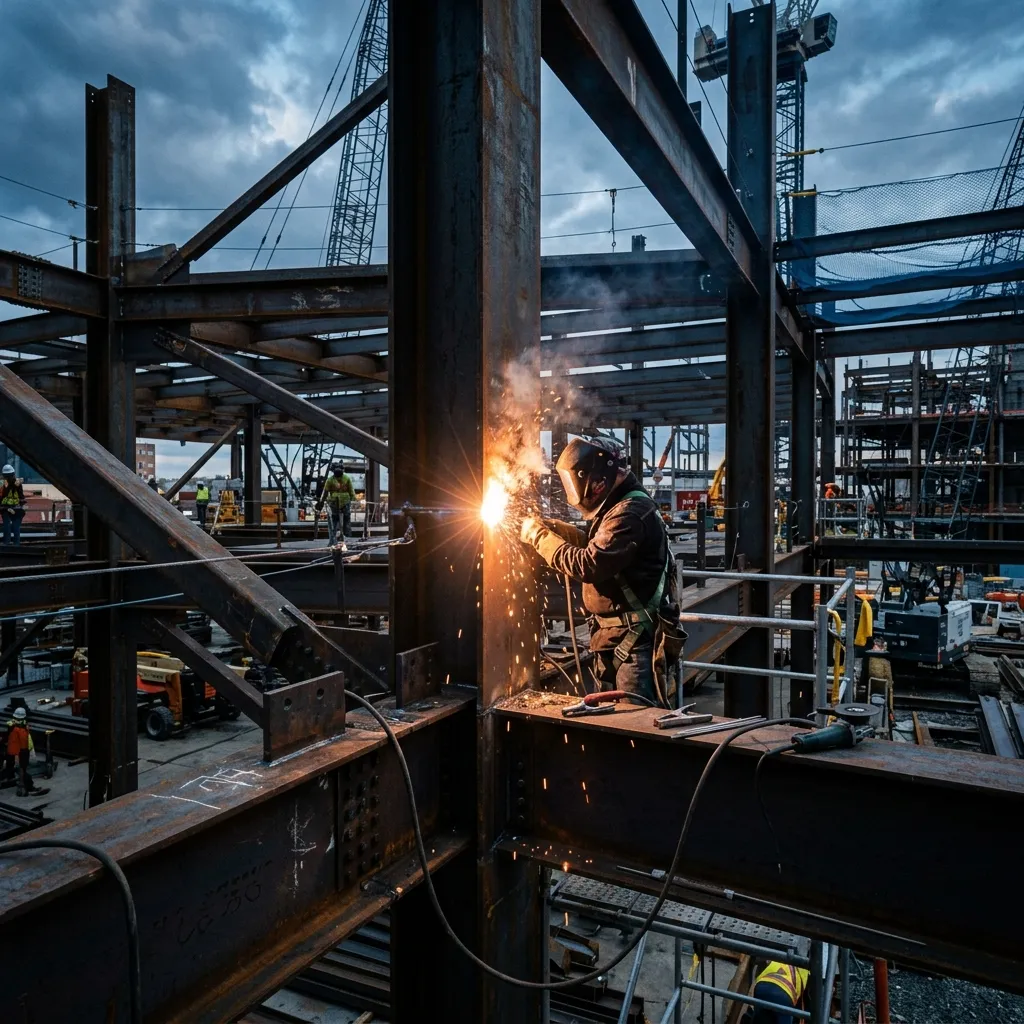
Expert Insight: The difference between a project that passes inspection flawlessly and one that suffers costly delays often comes down to understanding and implementing the core principles outlined in this guide.
Chapter 1: Foundational Principles
Before diving into advanced techniques and complex implementation strategies, it is critical to establish a solid foundation. In the context of industrial fabrication and commercial structural steel, these foundational principles dictate everything from material selection to final ultrasonic testing protocols.
- Strict adherence to local building codes and seismic requirements in California.
- Selecting the correct filler metals and welding processes (FCAW, SMAW, GTAW) for the specific application.
- Implementing rigorous joint preparation and fit-up tolerances to prevent weld discontinuities.
Chapter 2: Advanced Methodologies and Implementation
Once the foundational requirements are met, executing the project requires an elite level of craftsmanship and technical expertise. Advanced methodologies allow certified welders to achieve full-penetration welds in complex 6G positions, ensuring maximum structural resilience under extreme load conditions.
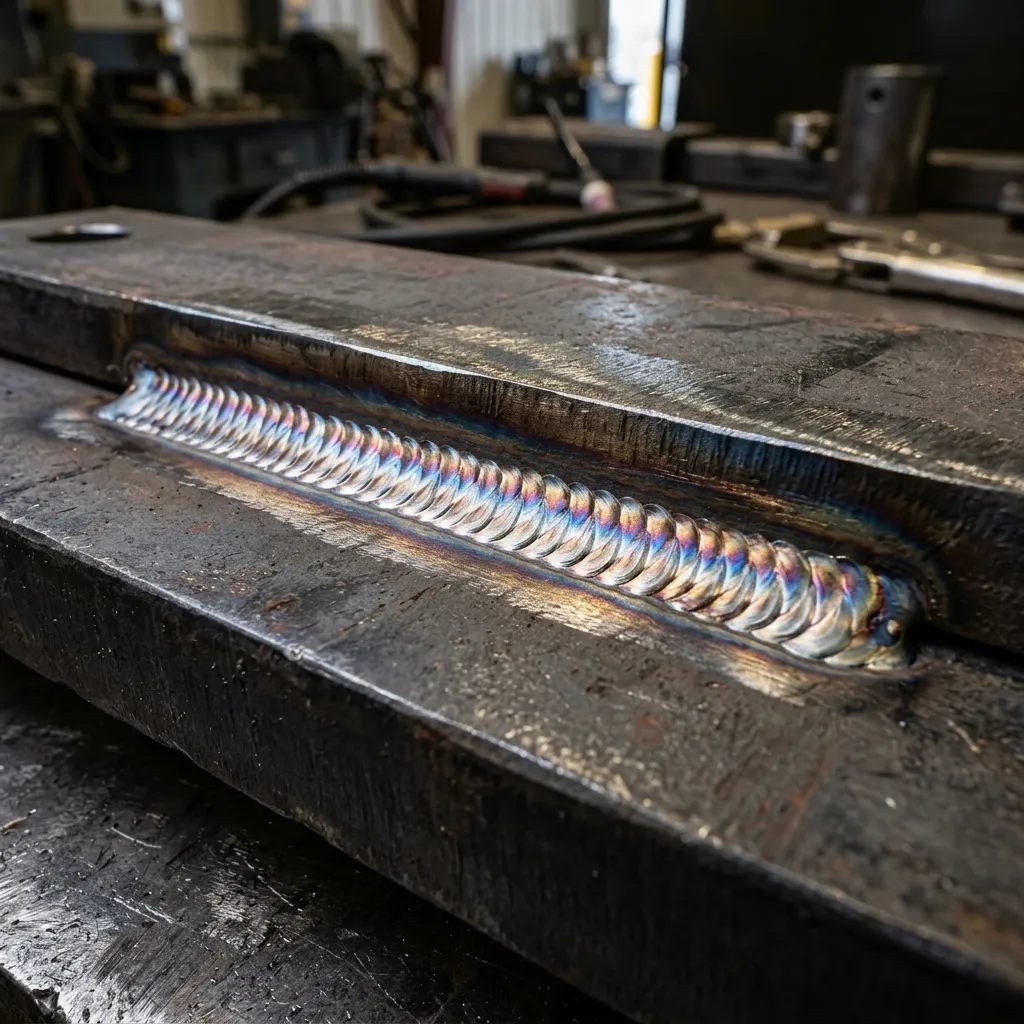
Key Implementation Steps
Executing these methodologies involves rigorous pre-heating protocols, precise interpass temperature control, and the deployment of certified welding inspectors (CWIs) to monitor the process continuously. This multi-layered approach to quality control guarantees that the final product will withstand decades of industrial abuse without failing.
Chapter 3: Compliance and Final Inspection
The ultimate test of any commercial welding project is the final inspection. Whether dealing with AWS D1.1 structural codes or ASME Section IX pressure pipe regulations, compliance is non-negotiable. Failing a non-destructive test (NDT) such as ultrasonic testing (UT) or magnetic particle inspection (MPI) can result in massive schedule delays and financial penalties.
By partnering with a highly certified fabrication team like Metal Creations Welding, project managers can ensure that every weld is inspection-ready before the third-party inspector ever steps foot on the site.
Ready to apply these principles to your next project? Metal Creations Welding is fully certified and equipped to handle the most demanding commercial and industrial fabrication challenges in Southern California.